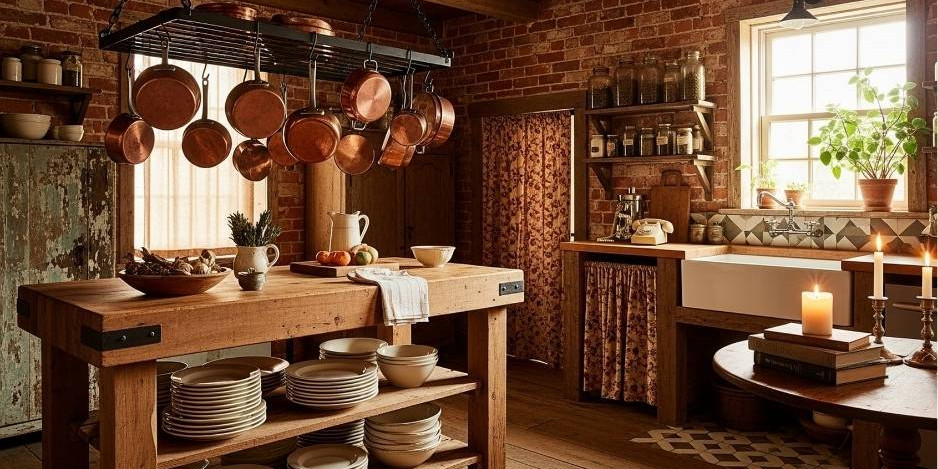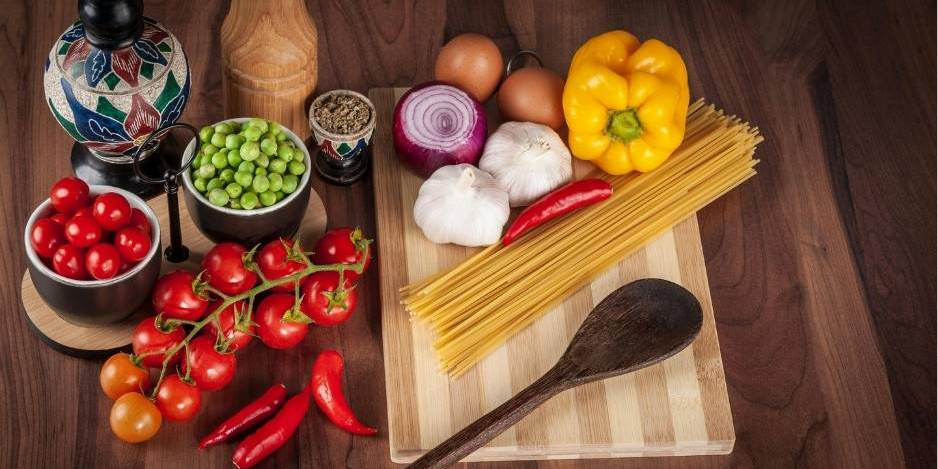

Across cultures and generations, the most enduring cuisines share a common principle: simplicity. Classic culinary traditions were not built on excess or complexity, but on restraint, balance, and respect for ingredients. In an era of modern fusion and experimental dining, simplicity remains the foundation that gives traditional cuisine its timeless appeal.
Understanding why simplicity matters helps explain not only how classic dishes have survived for centuries, but why they continue to resonate with diners today.
The Origins of Simplicity in Classic Cuisine
Traditional cuisines developed long before modern refrigeration, global imports, or advanced cooking technology. Cooks relied on:
- Seasonal, locally available ingredients
- Practical cooking methods
- Techniques passed down through generations
As a result, recipes were designed to highlight what was available rather than disguise it. Simplicity wasn’t a stylistic choice — it was a necessity that shaped culinary identity.
Fewer Ingredients, Greater Integrity
One of the defining features of classic cuisine is the use of few, carefully chosen ingredients. This approach allows each component to play a clear role in the final dish.
Simplicity in ingredients leads to:
- Clear, recognizable flavours
- Greater appreciation of ingredient quality
- Dishes that are consistent and repeatable
When there are fewer elements on the plate, there is nowhere for mistakes to hide. Quality becomes essential.

Technique Over Complexity
Classic cuisine places more emphasis on technique than invention. Mastery of fundamental skills — such as proper seasoning, controlled heat, and timing — is what elevates simple ingredients into memorable dishes.
This focus ensures that:
- Recipes can be replicated across generations
- Cooking skills are refined, not rushed
- The essence of the dish remains intact
Simplicity rewards patience and precision rather than novelty.
Why Simplicity Enhances Flavor
Complexity does not automatically mean better flavour. In many traditional dishes, simplicity creates balance.
By limiting competing elements, simple recipes allow:
- Natural flavours to shine
- Harmonious combinations rather than clashes
- A cleaner, more satisfying eating experience
Classic cuisine demonstrates that flavour depth often comes from restraint, not excess.
Cultural Identity Preserved Through Simplicity
Food is a reflection of culture, history, and place. Simple recipes are easier to preserve, teach, and adapt without losing their identity.
This is why classic dishes:
- Remain recognisable across regions
- Are passed down within families
- Serve as cultural touchstones
Simplicity ensures continuity — a shared culinary language across time.
Simplicity and the Dining Experience
Simple cuisine often feels more approachable and comforting. It invites diners to focus on taste, texture, and tradition rather than presentation alone.
This approach creates:
- A stronger emotional connection to food
- A sense of authenticity and trust
- Meals that feel grounded and honest
Simplicity allows food to speak for itself.
The Contrast With Modern Overcomplication
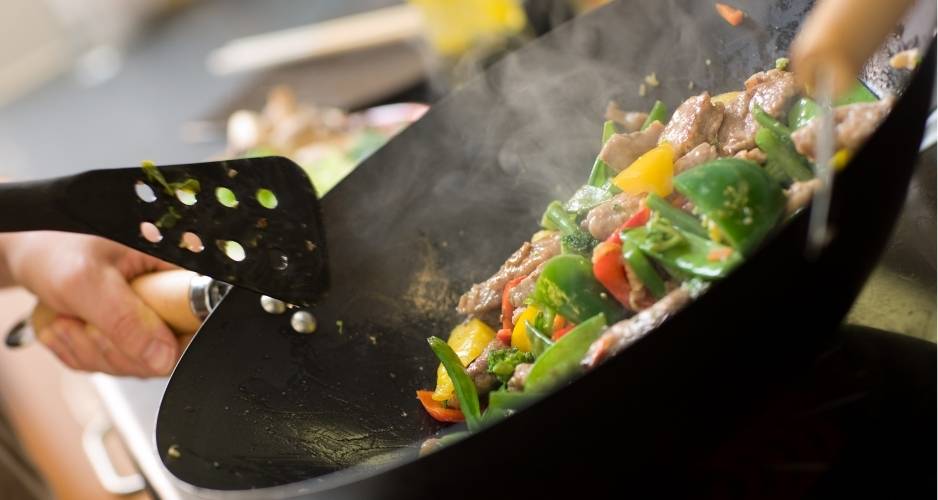
Modern cooking trends sometimes prioritise visual impact or innovation over clarity. While creativity has its place, excessive complexity can dilute meaning.
Overcomplicated dishes may result in:
- Confused flavour profiles
- Loss of cultural context
- Short-lived trends rather than lasting traditions
Classic cuisine endures because simplicity keeps it relevant.
Why Simplicity Still Matters Today
In a fast-paced world filled with endless choices, simplicity offers clarity. Diners increasingly value food that feels genuine, intentional, and rooted in tradition.
Simplicity supports:
- Sustainable cooking practices
- Respect for ingredients and producers
- A return to mindful eating
It reminds us that excellence doesn’t require excess.
The Timeless Value of Simple Cuisine
Classic cuisine traditions have lasted not because they are elaborate, but because they are essential. Simplicity preserves flavour, culture, and meaning — allowing dishes to transcend trends and generations.
In the end, simplicity is not about doing less. It’s about doing only what matters, exceptionally well.