
The Language of the Table: Beyond Words and Maps
In our modern era of hyper-connectivity, we often arrive in new lands with our itineraries pre-populated and our expectations shaped by digital snapshots. We seek landmarks, monuments, and museums, hoping to touch the hem of history. Yet, as any seasoned traveler eventually learns, the most profound encounters with a culture rarely happen in front of a glass-encased artifact. Instead, they occur in the quiet clinking of silverware and the aromatic steam rising from a shared plate. True cultural immersion—the kind that shifts your perspective and stays in your marrow—still begins at the dinner table.
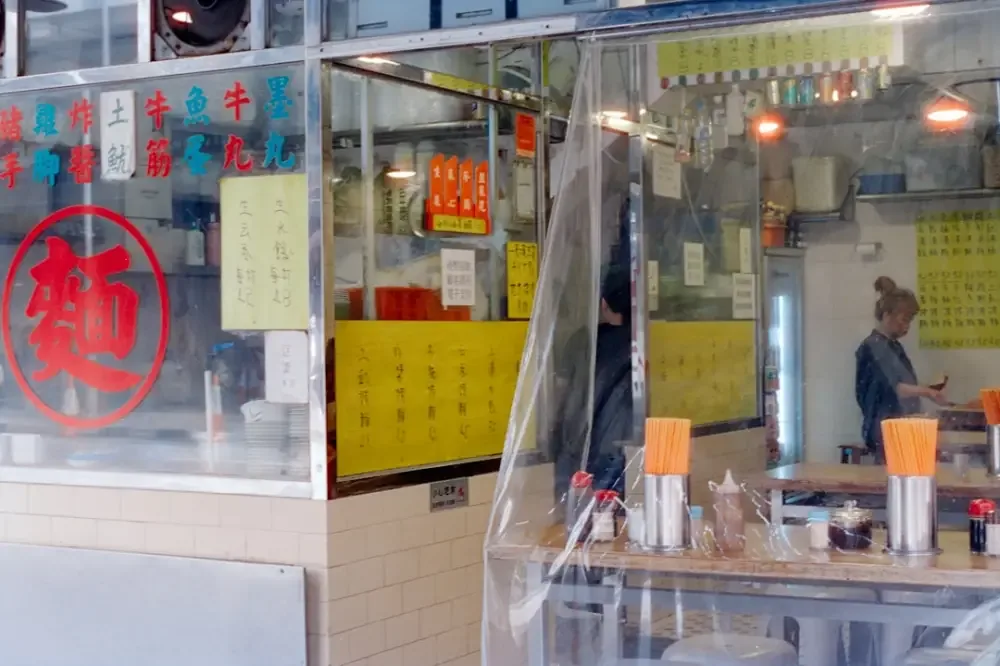
This profound connection to the land is most evident in the simplicity in classic cuisine, where heritage and local ingredients take center stage.
There is a specific kind of vulnerability in eating. When we sit down to a meal, we set aside our defenses. We stop moving, stop consuming experiences as if they were items on a checklist, and simply exist. In this stillness, food becomes a universal language, a bridge across the chasm of unfamiliarity. To eat a culture’s food is to consume its geography, its climate, and the ingenuity of its ancestors.
The Ritual of Preparation and Presence
At La Vecchia Scuola, we often speak of the 'old school' ways—not out of a sense of mere nostalgia, but because these traditions carry the weight of lived experience. When you observe a chef in a small trattoria or a grandmother tending a pot of stew in a mountain village, you are witnessing more than just cooking. You are seeing a physical manifestation of time and patience.
In many cultures, the preparation of food is an act of preservation. Every ingredient carries a story of the soil it grew in and the hands that harvested it. When we rush through a meal, or choose the convenience of a global chain while traveling, we miss the nuance of the locale. We deny ourselves the opportunity to understand why a certain spice is used or why a specific grain is celebrated. Reflective travel asks us to slow down and honor these rituals, recognizing that the dinner table is perhaps the last remaining sanctuary of presence in a distracted world.
The Soul of the Locality
To understand a place, one must understand what sustains its people. The dinner table is a microcosm of the community's values. Is the meal a communal affair, where large platters are passed from hand to hand? Or is it a series of precise, individual courses that reflect a culture’s appreciation for order and aesthetics? These details offer more insight into the local psyche than any guidebook ever could.
Why the Table Remains the Ultimate Gateway
Why does food remain the most potent tool for immersion? It is because eating is sensory, emotional, and inherently social. It bypasses the intellectual brain and speaks directly to our shared humanity. Here are a few reasons why the table is the center of the cultural universe:
- Sensory Memory: A specific scent—saffron, charred wood, or fermented fish—can trigger a deep emotional connection to a place that visual memories cannot match.
- Economic Insight: What is served at the table reflects the local economy, agriculture, and the historical trade routes that shaped the region.
- Social Hierarchies and Values: Observing who sits where, who is served first, and how guests are treated reveals the underlying social fabric of a society.
- Unscripted Conversation: The table is where the guard comes down, allowing for the kind of spontaneous, honest dialogue that builds genuine bridges.
The Art of Slowing Down to Taste
If we want to truly immerse ourselves, we must be willing to be 'bad' at traveling for a moment—to be the person who lingers too long over coffee, or the one who asks too many questions about a local cheese. We must reject the urge to see everything and instead choose to experience one thing deeply.
When we sit at a table in a foreign land, we are invited into a lineage. We are tasting the results of centuries of trial and error, of celebrations and hardships. This is where the 'Old School' philosophy truly shines; it reminds us that the best things in life—and in travel—cannot be automated or accelerated. They must be simmered, seasoned, and shared.
Finding the Authentic Connection
To find these moments of immersion, one must look beyond the neon signs and the polished tourist districts. Authentic connection is found in the places where the locals themselves go to be nourished. To find the heart of a culture at the dinner table, consider these reflective practices:
- Follow the Local Rhythms: Eat when the locals eat. If the town goes quiet at 2:00 PM for a long lunch, join that rhythm rather than fighting it.
- Prioritize Provenance: Seek out establishments that can tell you where their ingredients come from. Connection to the land is the first step toward cultural understanding.
- Embrace the Unfamiliar: Order the dish you don't recognize. The discomfort of the unknown is often the doorway to a new discovery.
- Listen More Than You Speak: Pay attention to the sounds of the dining room—the laughter, the debates, the way people interact with the staff.
Conclusion: The Table as a Mirror
Ultimately, true cultural immersion is not about 'ticking boxes' or collecting stamps in a passport. It is about the transformation that happens within us when we realize that our way of living is just one of many. The dinner table acts as a mirror, reflecting our shared needs while celebrating our unique expressions of those needs.
As you plan your next journey, remember that the most significant landmark you will visit might not be a cathedral or a castle. It might simply be a wooden table in a dimly lit room, where the air is thick with the scent of spices and the sound of unfamiliar tongues. Pull up a chair, put down your phone, and be present. The world is waiting to feed you, and in that nourishment, you will find the soul of the place you’ve traveled so far to see.