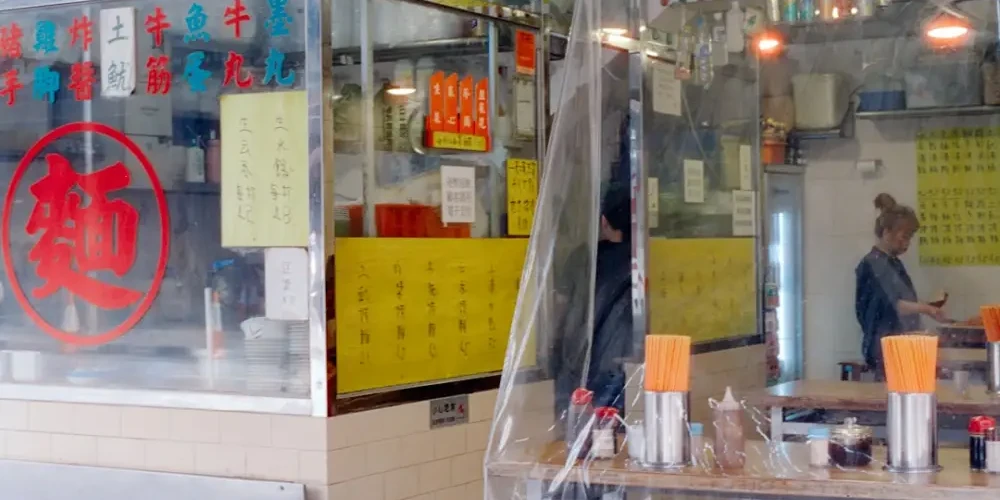

Food is far more than nourishment. Across civilizations, cuisine has served as a living record of history — reflecting migration, trade, climate, conflict, and tradition. Every ingredient, technique, and flavour tells a story shaped by time and place.
Understanding food as cultural identity reveals how deeply cuisine is woven into collective memory and how it continues to connect the past with the present.
Cuisine as a Historical Archive
Long before written records, food preserved history through practice. Recipes, cooking methods, and food rituals were passed down orally, becoming practical expressions of lived experience.
Cuisine reflects:
- Local geography and climate
- Available resources and agriculture
- Historical events and adaptations
Each dish carries traces of the conditions under which it was created.
The Influence of Geography and Environment
The environment plays a defining role in shaping cuisine. Climate, soil, and access to water determine which ingredients thrive, influencing both flavour profiles and cooking techniques.
Over time, communities adapted their food practices to:
- Seasonal availability
- Preservation needs
- Environmental limitations
These adaptations became cultural signatures.
Migration, Trade, and Culinary Exchange
As people moved, they carried food traditions with them. Migration and trade introduced new ingredients and techniques, gradually blending cuisines while preserving identity.
Historical exchanges led to:
- Fusion of cooking styles
- Adaptation of traditional recipes
- Evolution rather than replacement of food cultures
Cuisine reflects movement and connection as much as origin.
Food as a Marker of Social and Cultural Values
Cuisine often mirrors societal structure, beliefs, and customs. What is eaten, how it is prepared, and when it is shared all carry cultural meaning.
Food traditions can indicate:
- Religious or ceremonial practices
- Social hierarchy or community roles
- Attitudes toward hospitality and sharing
Meals become expressions of values as much as sustenance.
Preservation Techniques as Cultural Knowledge
Methods such as curing, fermenting, drying, and pickling emerged from necessity. Over time, these techniques became defining features of cultural identity.
They reflect:
- Historical constraints and ingenuity
- Regional tastes and preferences
- Long-standing relationships with food and time
Preservation methods tell stories of survival, adaptation, and creativity.
Rituals, Celebrations, and Collective Memory
Food plays a central role in celebrations and rituals. Specific dishes often appear only during significant moments, reinforcing cultural continuity.
These traditions:
- Strengthen communal bonds
- Preserve historical narratives
- Connect generations through shared experience
Cuisine becomes a ritualised form of remembrance.
How Modern Cuisine Still Reflects the Past
Even as food evolves, its historical roots remain visible. Contemporary adaptations often reinterpret traditional dishes rather than erase them.
This continuity ensures:
- Cultural identity remains recognisable
- History stays embedded in daily life
- Tradition evolves without being lost
Cuisine adapts, but its origins continue to shape it.
The Risk of Cultural Erosion in Food
Globalisation and mass production have made food more accessible, but they can also dilute cultural specificity.
When food traditions are simplified or commodified, they risk:
- Losing historical context
- Becoming disconnected from place
- Reducing identity to aesthetics
Preserving culinary heritage requires awareness and intention.
Why Cuisine Remains a Powerful Cultural Language
Food communicates without words. It carries emotion, memory, and identity across borders and generations.
Cuisine reflects:
- Who people are
- Where they come from
- What they value
Through food, history remains tangible and alive.
Food as History You Can Taste
Cuisine is one of the most accessible forms of cultural history. Every meal offers a connection to the past, shaped by geography, migration, and tradition.
By recognising food as cultural identity, we preserve not just recipes, but stories — ensuring that history continues to be experienced, shared, and remembered.