
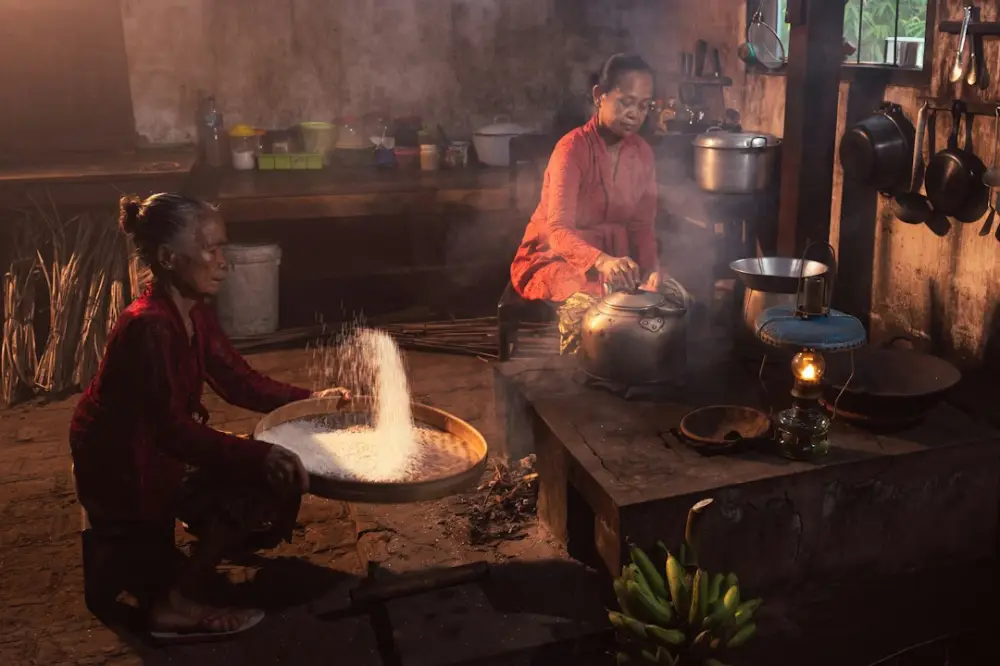
Learning through traditional kitchen methods involves mastering ancestral cooking techniques that rely on manual tools, sensory observation, and slow-heat processes rather than modern automation. It is a practice-based approach where intuition—developed through touch, smell, and taste—guides the cook. This method preserves cultural heritage while fostering a deeper connection to ingredients and the culinary process.
Adopting these methods requires a shift from efficiency to active study. Instead of relying on digital scales, practice measuring ingredients by weight and volume through touch and sight. This direct engagement with food’s physical properties allows the cook to gain a level of control over textures and flavors that automated appliances simply cannot replicate, turning every meal into a practical lesson.
Traditional methods are defined by their reliance on the human hand and simple physics. For instance, in the Emilia-Romagna region of Italy, the use of a large wooden board known as a spianatoia is fundamental to pasta making. The wood’s porous surface interacts with the dough in a way that stainless steel cannot, helping to regulate temperature and create the specific texture needed for sauces to adhere. Understanding the role of time and craft in these settings reveals that the tool and the technique are often inseparable from the final result.
Building Intuition Through Sensory Practice
The primary goal of learning traditional methods is to move away from rigid recipes and toward sensory-based decision-making. This is often called "cooking by feel." In a traditional kitchen, the cook uses their ears to monitor the sizzle of a mirepoix or their nose to detect the exact moment spices have released their volatile oils before they begin to scorch. These cues provide real-time data that a timer simply cannot offer.
Touch is perhaps the most critical sense in this practice. When kneading bread by hand, a baker learns to identify the specific elasticity that indicates the gluten network has developed sufficiently. This tactile feedback teaches the baker how different flours absorb water, a variable that changes based on the humidity of the room. This level of awareness is rarely achieved when using a stand mixer on a fixed timer.
Observation also plays a key role. A cook might watch the way oil shimmers in a cast-iron skillet or note the specific shade of brown on a roasted bird’s skin. These visual benchmarks are the hallmarks of a seasoned practitioner. By practicing these observations repeatedly, the cook builds a mental library of sensory markers that inform every future meal, leading to more consistent and soulful results.
Core Techniques: Hand-Grinding and Slow-Fermenting
Two pillars of traditional kitchen work are manual reduction and biological preservation. Hand-grinding ingredients using a mortar and pestle is a foundational skill. Unlike an electric spice grinder or food processor, which can generate heat and dull the flavor of delicate herbs, the crushing action of a mortar and pestle releases oils gradually. This technique is essential for authentic preparations like a Ligurian pesto or a Thai curry paste, where the texture should be slightly irregular rather than a uniform puree.
Slow fermentation is another cornerstone of the traditional approach. This includes the maintenance of a sourdough starter, the brining of vegetables, or the curing of meats. These processes require patience and an understanding of microbiology that predates modern laboratory science. In many cultures, fermentation was not just a culinary choice but a necessity for survival during winter months.
Working with slow-heat processes, such as using a clay olla or a heavy earthenware tajine, teaches the cook about thermal mass. These vessels distribute heat evenly and retain it long after the flame is extinguished. Learning to manage a fire or a low-burning stove to maintain a gentle simmer for hours is a skill that transforms tough cuts of meat into tender, nutrient-dense dishes. This patience is a hallmark of regional culinary traditions worldwide.
Why Manual Preparation Improves Food Quality
There is a functional reason why manual preparation often yields superior results. When vegetables are cut by hand with a sharp knife, the cells are sliced cleanly. In contrast, the high-speed blades of a food processor can tear and bruise the produce, leading to faster oxidation and a loss of crispness. A hand-chopped ragù, where the meat and aromatics are cut into slightly varied sizes, provides a complex mouthfeel that a ground meat sauce lacks.
Furthermore, manual methods prevent the over-processing that often plagues modern cooking. It is nearly impossible to over-knead dough by hand to the point of ruin, whereas a machine can do so in seconds. Manual work encourages the cook to stop exactly when the ingredient reaches its peak state. This precision through presence reminds us why simplicity matters in classic cuisine traditions.
The lack of friction-induced heat from electric motors also preserves the nutritional profile and flavor of the food. Cold-pressing or hand-milling grains keeps the oils within the germ from becoming rancid. These small differences in preparation accumulate, resulting in a final dish that is more vibrant in color, more nuanced in flavor, and more reflective of the original ingredients.
Bringing the Old School Approach to Your Home
Integrating these methods into a 2026 kitchen does not require a total renovation or the abandonment of modern convenience. Instead, it begins with the selective introduction of traditional tools and a commitment to slowing down. Start by replacing one electric appliance with a manual counterpart. A heavy granite mortar and pestle or a high-quality carbon steel knife can change the way you interact with your ingredients immediately.
Another practical step is to practice "active waiting." When a recipe calls for a slow simmer or a long rise, use that time to observe the changes occurring in the pot or bowl. Take notes on the smells and textures at different stages. This documentation helps bridge the gap between following instructions and developing true culinary intuition. If you are traveling, seek out local markets and watch how vendors handle their products; these observations are often more valuable than any formal cooking class.
Ultimately, learning through traditional kitchen methods is about reclaiming the craft of nourishment. It is a journey that values the process as much as the plate. At La Vecchia Scuola, we believe that by looking back at these ancestral techniques, we find a more sustainable and meaningful way to cook today. Embracing the slow, the manual, and the sensory allows us to honor the history of the table while sharpening our own skills for the future.