
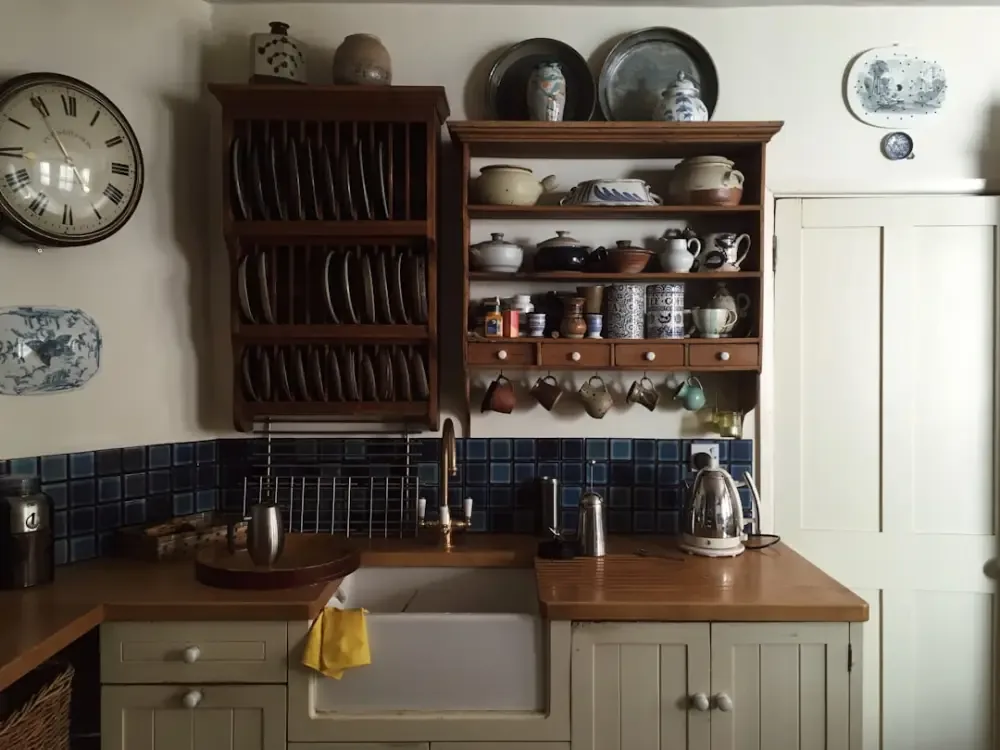
The Persistent Pull of the Ancestral Hearth
In an era defined by lightning-fast delivery apps and fifteen-minute meal kits, a curious trend has emerged: we are collectively looking backward. Whether it is the resurgence of sourdough starters, the obsession with heirloom seeds, or the rise of heritage travel, the modern traveler and home cook are increasingly drawn to the kitchens of their ancestors. This isn't merely nostalgia; it is a practical search for grounding in a fast-paced world.
At La Vecchia Scuola, we believe that understanding this pull is the first step toward a more meaningful way of living and traveling. The kitchen of our ancestors represents more than just a place where food was prepared; it was a center of resourcefulness, community, and identity. By reconnecting with these traditional practices, we gain practical skills that improve our health, our environment, and our sense of self.
The Practical Benefits of Culinary Heritage
Why do we feel this pull? Beyond the emotional connection, ancestral kitchens offer several practical advantages that modern industrial food systems often lack. When we look back, we discover techniques born out of necessity that remain incredibly relevant today.
- Nutritional Density: Traditional methods like fermentation, sprouting, and slow-cooking were designed to maximize the nutrients available in simple ingredients.
- Sustainability: Ancestral cooking was inherently 'zero-waste.' Every part of the animal and every scrap of vegetable was utilized, providing a blueprint for modern eco-conscious living.
- Mental Wellness: The rhythmic nature of traditional tasks—kneading dough, shelling beans, or stirring a slow-moving pot—acts as a form of culinary meditation, reducing stress and increasing focus.
How to Trace Your Culinary Heritage
Reconnecting with your roots doesn't require a DNA test, though it can start there. It requires a practical, investigative approach to your own family history. If you feel the pull toward the kitchens of your past, here is how you can begin the journey of rediscovery.
Interviewing the Gatekeepers
The most valuable cookbooks are rarely found in bookstores; they are stored in the memories of our elders. Start by sitting down with the oldest members of your family. Don't just ask for recipes; ask about the atmosphere of the kitchen. What did it smell like on a Sunday morning? What tools did they use? How did they preserve food for the winter? These practical details provide the context needed to recreate an authentic experience.
Decoding Heirloom Recipes
You may find old recipe cards that use measurements like 'a pinch of this' or 'flour as much as is needed.' These are not signs of imprecision; they are signs of mastery. To decode these, you must practice 'sensory cooking.' Instead of relying on a digital scale, learn to feel the elasticity of the dough or smell the exact moment a roux turns nutty. This practical skill-building is the essence of ancestral wisdom.
Practical Ways to Bring Ancestral Wisdom Home
You don't need a wood-fired oven or a farm to integrate heritage practices into your daily life. It is about shifting your mindset and adopting small, manageable habits that honor the 'old school' way of doing things.
- Master One Technique: Don't try to overhaul your entire diet at once. Choose one traditional skill—such as making your own pasta, fermenting cabbage into sauerkraut, or curing your own olives—and master it until it becomes second nature.
- Source Traditionally: Seek out ingredients that have not been modified for industrial shelf-life. Visit farmers' markets and ask for heritage varieties of grains and vegetables. These often carry the flavors your ancestors would recognize.
- Respect the Season: One of the most practical aspects of ancestral cooking was its strict adherence to the seasons. Challenge yourself to cook only with what is currently growing in your region for one month.
Integrating Heritage into Your Travel Planning
For the modern traveler, the pull toward ancestral kitchens often manifests as a desire for authentic culinary experiences. When planning your next trip, move beyond the 'top-rated' restaurants on social media and look for the 'Vecchia Scuola'—the old school.
Seeking Out Culinary Immersion
Instead of a standard city tour, look for cooking workshops hosted by locals in their own homes. Seek out regions known for specific traditional crafts, such as the cheese-makers of the Italian Alps or the traditional bakers of the Levant. The goal is to observe the 'flow' of a traditional kitchen—the economy of movement and the deep respect for the raw materials.
Visiting the Source
Travel to the markets where the locals shop. Notice the interaction between the producer and the consumer. In many ancestral traditions, the market was the social hub of the community. By participating in these local economies, you aren't just a tourist; you are a student of a living history.
The Kitchen as a Bridge
Ultimately, the pull toward the kitchens of our ancestors is a pull toward connection. It is a bridge between our modern, often isolated lives and a past where food was the glue that held families and communities together. By adopting the practical, resourceful, and slow-paced methods of those who came before us, we don't just honor our history—we build a more flavorful and grounded future.
Next time you feel that urge to bake a loaf of bread from scratch or simmer a stock for hours, listen to it. Your kitchen is waiting to become a place of heritage and healing.