
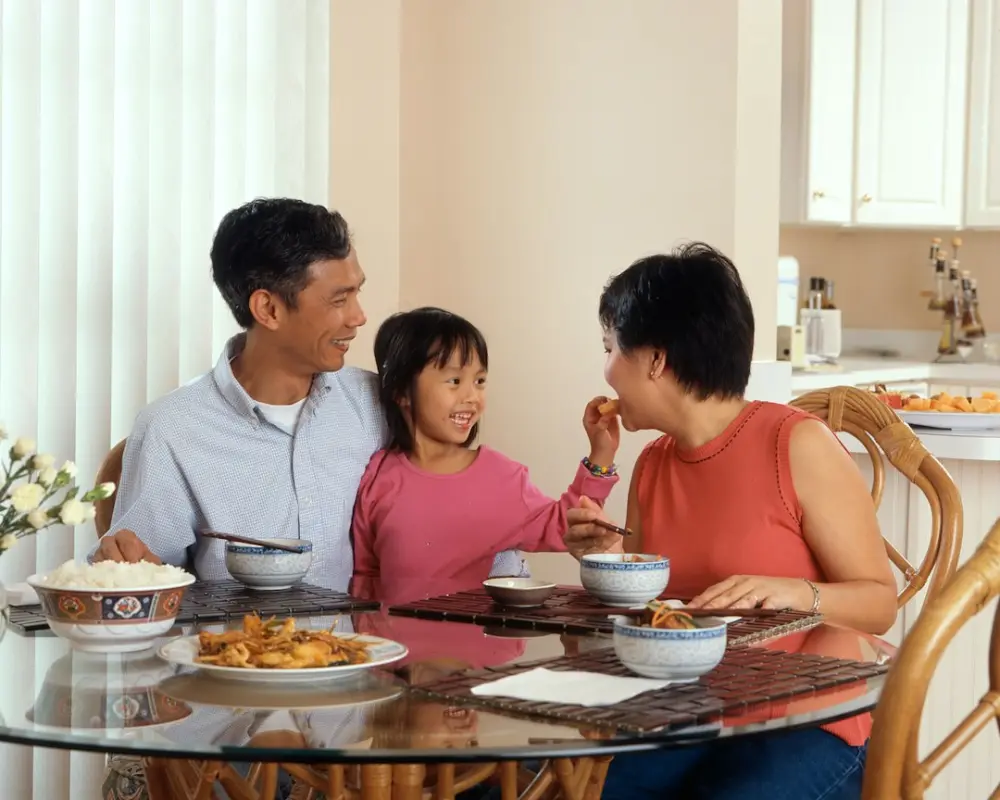
Food traditions and family memory represent the intergenerational transfer of culinary knowledge, recipes, and rituals. By preserving these practices, families maintain a sensory connection to their heritage, using taste and aroma to anchor personal history. These traditions serve as a living archive, fostering identity and belonging through shared meals and ancestral cooking techniques.
A practical angle is to treat one family recipe as the anchor: write who taught it, when you serve it, and what changed when ingredients shifted.
Why Food Traditions Matter for Family Memory
The connection between food and memory is deeply rooted in our biology. The olfactory bulb, which processes smells, has direct access to the amygdala and hippocampus, the parts of the brain responsible for emotion and memory. This is why the scent of a specific spice blend or the steam rising from a particular soup can trigger vivid recollections of a childhood kitchen or a specific relative. When we recreate a family recipe, we are not just preparing a meal; we are engaging in a form of sensory time travel.
Consider the example of a family that gathers every autumn to preserve tomatoes. The ritual involves more than just the output of jars; it is defined by the communal labor, the specific stains on the aprons, and the particular way the jars are lined up in the cellar. These shared experiences create a collective memory that binds generations together. Research into the neuroscience of odor-evoked memory suggests that these food-based recollections are often more emotionally charged than memories triggered by visual or auditory cues.
In many homes, the kitchen serves as the primary archive of family history. While photo albums might sit on a shelf, the recipes are active participants in daily life. They carry the stories of ancestors who may have lived through periods of scarcity, migration, or celebration. By maintaining these traditions, we ensure that the narratives of those who came before us remain tangible and relevant to those following behind.
How Culinary Heritage Strengthens Cultural Identity
Culinary heritage is a reflection of the environment, history, and movement of a people. A recipe is rarely just a set of instructions; it is a map of where a family has been. For example, the inclusion of certain dried peppers in a stew might point to a specific region of the Mediterranean, while the use of a particular fermentation technique might reveal roots in a specific mountain village. This food as cultural identity: how cuisine reflects history allows individuals to understand their place within a broader lineage.
When families move across borders, food is often the most resilient part of their culture. While languages may fade over generations, the preference for a specific type of sourdough or the way a Sunday roast is seasoned often persists. This continuity provides a sense of stability. In a world that is constantly changing, the ability to sit down to a meal that tastes exactly like the one served fifty years ago offers a profound sense of belonging. It reinforces the idea that one belongs to a specific community with a shared past.
Specific regional tools also play a role in this identity. Using a hand-carved gnocchi board passed down through three generations or a cast-iron skillet that has been seasoned by decades of use connects the cook to the physical reality of their ancestors' lives. These objects are not merely utensils; they are artifacts of a living culture that continues to evolve without losing its foundational character.
Practical Ways to Document Your Family Recipes
The challenge of preserving family recipes often lies in the lack of formal documentation. Many traditional cooks work by feel, using measurements like "a pinch," "a handful," or "until the dough feels like an earlobe." To ensure these recipes don't disappear, a more systematic approach is necessary. Start by observing the cook in action. Instead of asking for a written recipe, record the process on video. Watch how they move, how they judge the heat of the pan, and when they decide an ingredient is "done."
One effective method is the "interruption technique." As the cook adds an ingredient, stop them and weigh the amount they have in their hand before it goes into the pot. This allows you to translate intuitive measurements into standardized grams or ounces. Additionally, document the "why" behind the steps. Ask why they use a specific type of fat or why the onions must be cut into rounds rather than dice. These details are often where the true secrets of the dish reside.
Creating a digital or physical family cookbook can serve as a centralized repository for this knowledge. Include photographs of the finished dishes, the original handwritten notes (even if they are stained with oil), and stories about when the dish was typically served. Organizations like the American Folklife Center emphasize the importance of documenting these everyday traditions as vital parts of human history. Because we still feel a pull toward the tactile and the authentic, these records become invaluable assets for the family.
Passing the Torch to the Next Generation
Preservation is an active process. It is not enough to simply store recipes in a drawer; they must be practiced. Involving younger family members in the kitchen from an early age is the most effective way to ensure the survival of these traditions. This doesn't require formal lessons; rather, it is about making the kitchen a space of shared activity. Let children help with the kneading, the shelling of beans, or the stirring of the pot. These small tasks build a foundation of comfort and familiarity with traditional techniques.
Holiday gatherings provide an ideal opportunity for this transfer of knowledge. Instead of one person doing all the cooking, turn the preparation into a collaborative event where the elders teach the youth. This creates a space for storytelling, where the history of the dish and the family can be shared in a natural, unforced way. The goal is to move the knowledge from the head to the hands.
It is also important to allow for some evolution. Traditions that are too rigid often break. Encouraging the next generation to understand the core principles of a dish while allowing them to adapt it to their modern context—perhaps by using locally available ingredients or modern equipment—ensures that the tradition remains alive rather than becoming a museum piece. The essence of the dish remains, even if the execution shifts slightly over time.
La Vecchia Scuola: Preserving the Traditional Kitchen
At La Vecchia Scuola, we focus on the intersection of craft, history, and the dinner table. Our mission is to celebrate the small, independent kitchens that have maintained their regional integrity despite the pressures of modern convenience. We believe that the preservation of food traditions is a vital act of cultural stewardship. By focusing on ancestral techniques and the simplicity of classic cooking, we aim to provide a resource for those who wish to reconnect with their culinary roots.
The work of La Vecchia Scuola is rooted in the belief that every meal is an opportunity to honor the past. Whether it is exploring the specific grain varieties used in traditional pasta making or documenting the seasonal rituals of a rural harvest, we prioritize the authentic and the specific. We encourage our readers to look at their own family kitchens not just as places of food preparation, but as sites of historical preservation. The recipes you hold are part of a larger tapestry of human experience that we are dedicated to documenting and sharing.
Let's Connect!
The preservation of culinary memory is a collective effort, and we want to hear about the traditions that define your family. Do you have a recipe that has been passed down for generations, or a specific kitchen tool that carries a story? Sharing these accounts helps to build a broader understanding of how food continues to shape our identities and our connections to one another.
We invite you to contribute your stories and techniques. Whether it is a tip for documenting an elusive family recipe or a reflection on a meal that changed your perspective on your heritage, your input is a valued part of this community. By documenting these practices today, in 2026, we ensure they remain vibrant for the years to come. Reach out to us through our contact channels or join the conversation on our social platforms to help keep these traditional flames burning.