
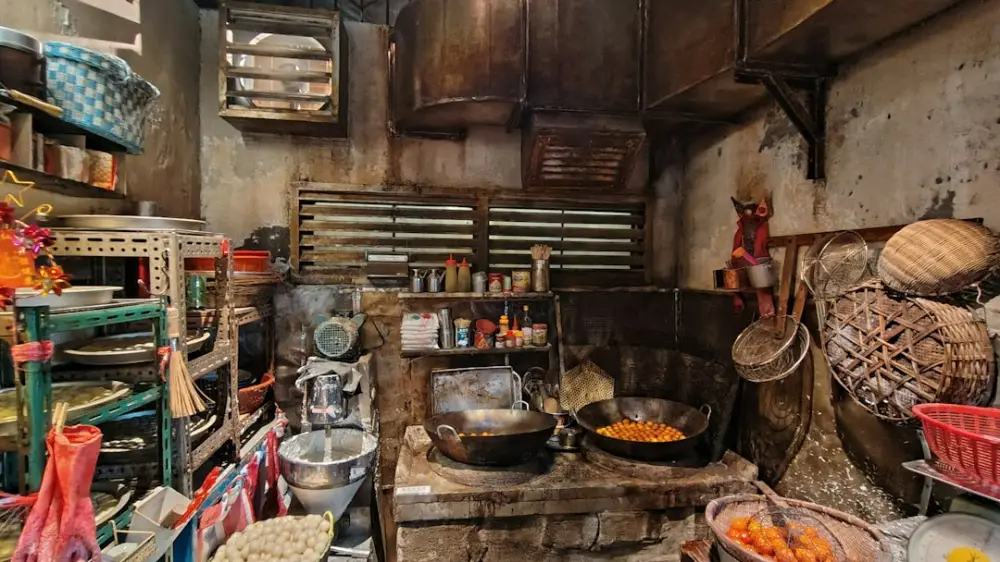
Regional ingredient histories track the specific biological, social, and economic paths of raw foods within a defined geographical area. This study examines how local climates, migration patterns, and agricultural practices shaped the availability of specific crops and livestock, forming the foundational identity of a region’s traditional culinary output over several centuries.
Tracing these origins requires looking past the modern grocery store shelf to understand why certain plants thrived in specific soils. For the cook or traveler, this knowledge transforms a simple meal into a map of human movement, showing how a single seed could redefine the survival and culture of an entire population.
Defining regional ingredient histories
To understand a regional ingredient history is to look at the intersection of botany and human record-keeping. It is the study of how a wild plant or a primitive breed of livestock became a localized staple. For example, the history of the fagiolo di Sarconi in Basilicata, Italy, is not just about a bean; it is about the specific irrigation techniques developed in the high valleys and the selective breeding by local families over generations to ensure the skin remained thin enough to cook quickly at high altitudes.
These histories often begin with an introduction—either through natural dispersal, trade, or colonization—followed by a period of adaptation. During this phase, the ingredient undergoes a transformation, both genetically as it adapts to the local microclimate and culturally as the local population finds ways to preserve, cook, and value it. This process creates what we now recognize as "traditional" food, which is rarely static but rather a snapshot of a long-term ecological relationship.
Why ingredient origins matter
Understanding where an ingredient comes from and how it was integrated into a local diet provides the necessary context for modern culinary preservation. When we recognize that certain varieties of wheat were bred specifically for the dry, windy plains of Sicily, we understand why the local bread has its particular density and shelf life. This knowledge is essential for maintaining biodiversity; many heirloom varieties are lost because their histories—and the specific culinary uses attached to them—are forgotten.
For those who travel to eat, these histories offer a deeper level of immersion. Many culinary vacations prioritize slow travel and the study of these roots because they explain the "why" behind the plate. If you know that the bitter radicchio of Treviso was developed through a specific water-bleaching process (imbianchimento) in the 19th century, you appreciate the labor and the specific river geography required to produce that exact flavor profile. It moves the experience from simple consumption to an act of historical witness.
How regional ingredients evolve
The evolution of a regional ingredient typically follows a pattern of arrival, adaptation, and specialization. Trade routes like the Silk Road or the maritime paths of the Mediterranean acted as conduits for ingredients that we now consider inseparable from certain regions. The citrus fruits of Sicily, for instance, were introduced by Arab settlers in the 9th and 10th centuries. The island's volcanic soil and sunny climate allowed these fruits to evolve into unique varieties like the blood orange (Arancia Rossa di Sicilia), which carries a specific acidity and pigment not found in its ancestors.
Selective breeding by farmers plays a massive role in this evolution. In many traditional cultures, seeds were part of a dowry or a family legacy. This meant that a specific type of corn or squash might be grown only within a few square miles, evolving to suit the specific pests, rainfall patterns, and culinary preferences of that single village. This is how food as cultural identity: how cuisine reflects history becomes tangible; the very DNA of the food is shaped by the hands of the people who grew it.
Common misconceptions about culinary roots
One of the most persistent myths in culinary history is the idea that "traditional" ingredients have always existed in their current locations. In reality, many of Europe’s most iconic ingredients are relatively recent arrivals. The tomato, for example, did not enter the Italian diet in a significant way until the 18th and 19th centuries, despite being brought from the Americas in the 1500s. For centuries, it was grown as an ornamental plant because it was feared to be poisonous.
Another misconception is that regional food is defined by a lack of change. In truth, regional ingredients are often the result of intense globalization. The Piment d'Espelette, a staple of Basque cuisine, originated in Mexico. It became "Basque" only after centuries of local cultivation and the development of specific drying and grinding techniques that suited the humid climate of the Pyrenees. Authenticity is not about an ingredient being indigenous; it is about the length and depth of its relationship with the local culture. You can read more about the Columbian Exchange to see how drastically global diets shifted after the 15th century.
Key terms in food history
- Terroir: A French term referring to the environmental factors—soil, climate, and topography—that affect the phenotype of a crop. While usually applied to wine, it is equally relevant to cheeses, grains, and vegetables.
- Landrace: A domesticated, locally adapted traditional variety of a plant or animal species that has developed over time through adaptation to its natural and cultural environment.
- DOP (Denominazione di Origine Protetta): A legal framework in Europe used to protect the names of regional foods. To carry this label, an ingredient must be produced, processed, and prepared in a specific geographical area using recognized methods.
- Heirloom/Heritage: Generally refers to cultivars that have been passed down within a food system for many generations, often predating the industrialization of agriculture.
Practical ways to explore food roots
To engage with these histories practically, start by looking at the specific variety names of the produce you buy. Instead of buying "lentils," seek out Lenticchie di Castelluccio. Researching the specific village or province associated with an ingredient often reveals a wealth of information about the festivals (sagre), traditional tools, and specific recipes designed to highlight that ingredient's unique properties. Visiting local markets and asking producers about the "old ways" of growing or preparing their goods provides a direct link to this living history.
At La Vecchia Scuola, we believe that understanding these regional ingredient histories is the first step toward mastering traditional craft. By focusing on the origins of what we cook, we honor the ancestral kitchens that refined these flavors over centuries. Whether you are in your own kitchen or traveling through a remote valley, looking for the story behind the ingredient ensures that the simplicity of classic cooking remains rooted in actual heritage rather than modern imitation.